
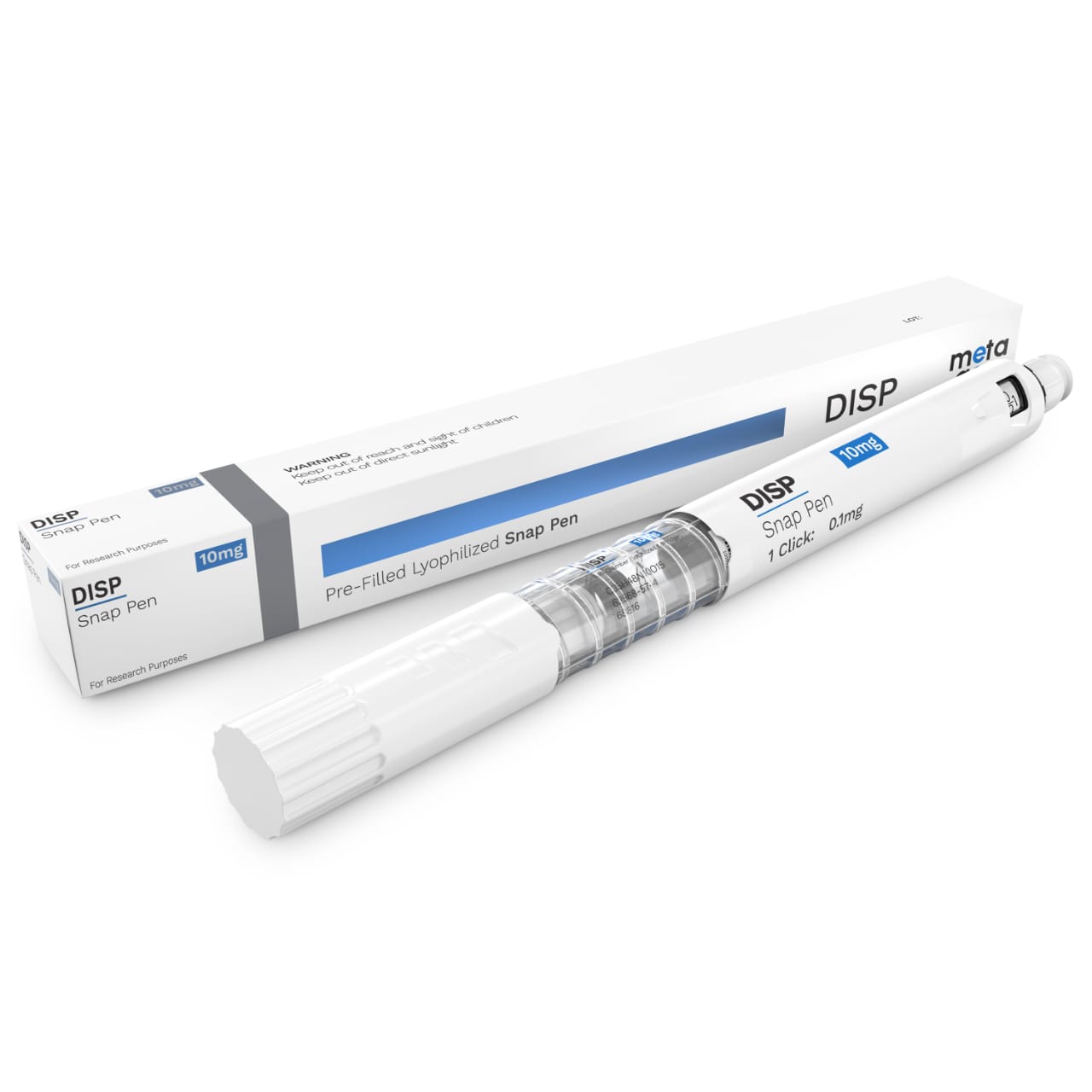
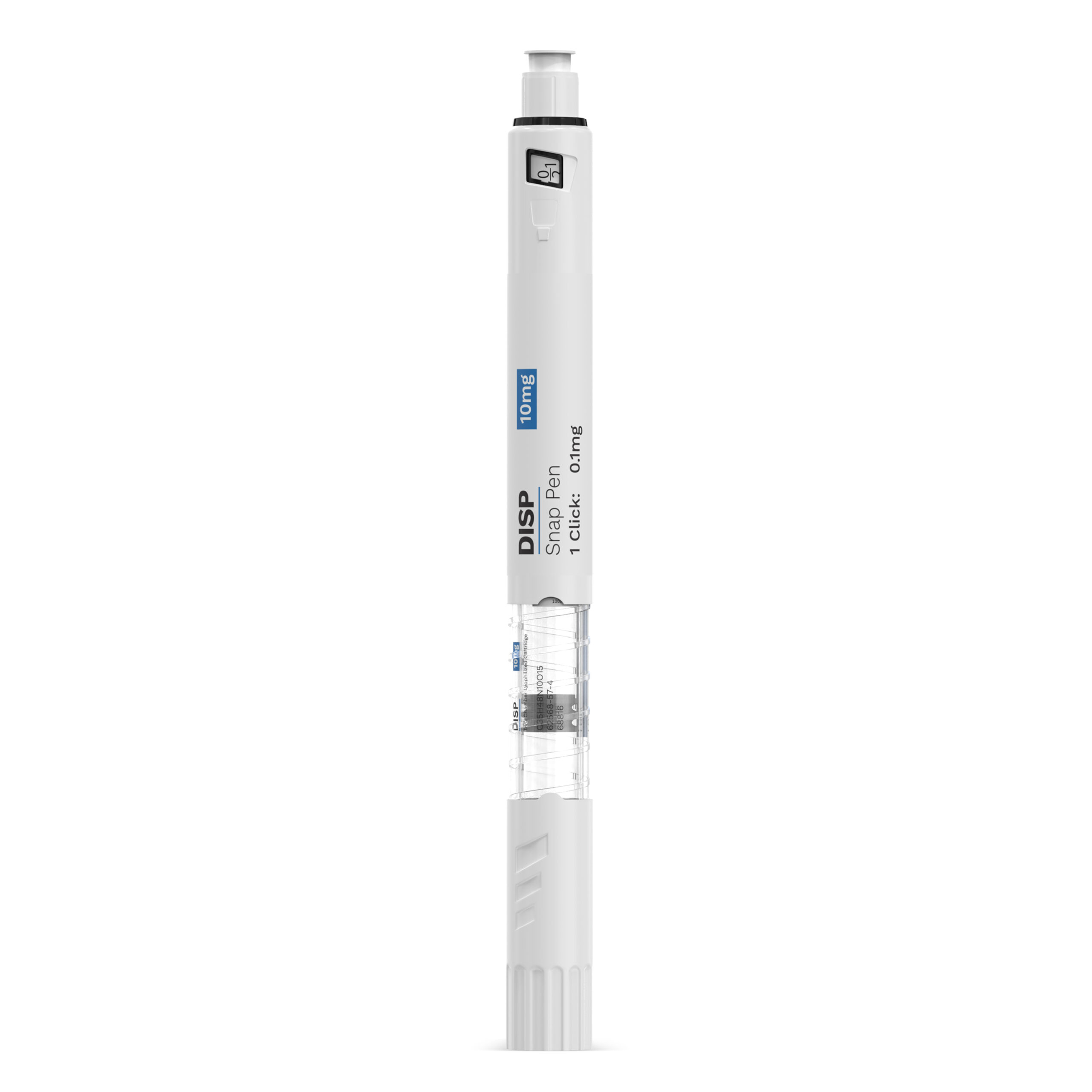
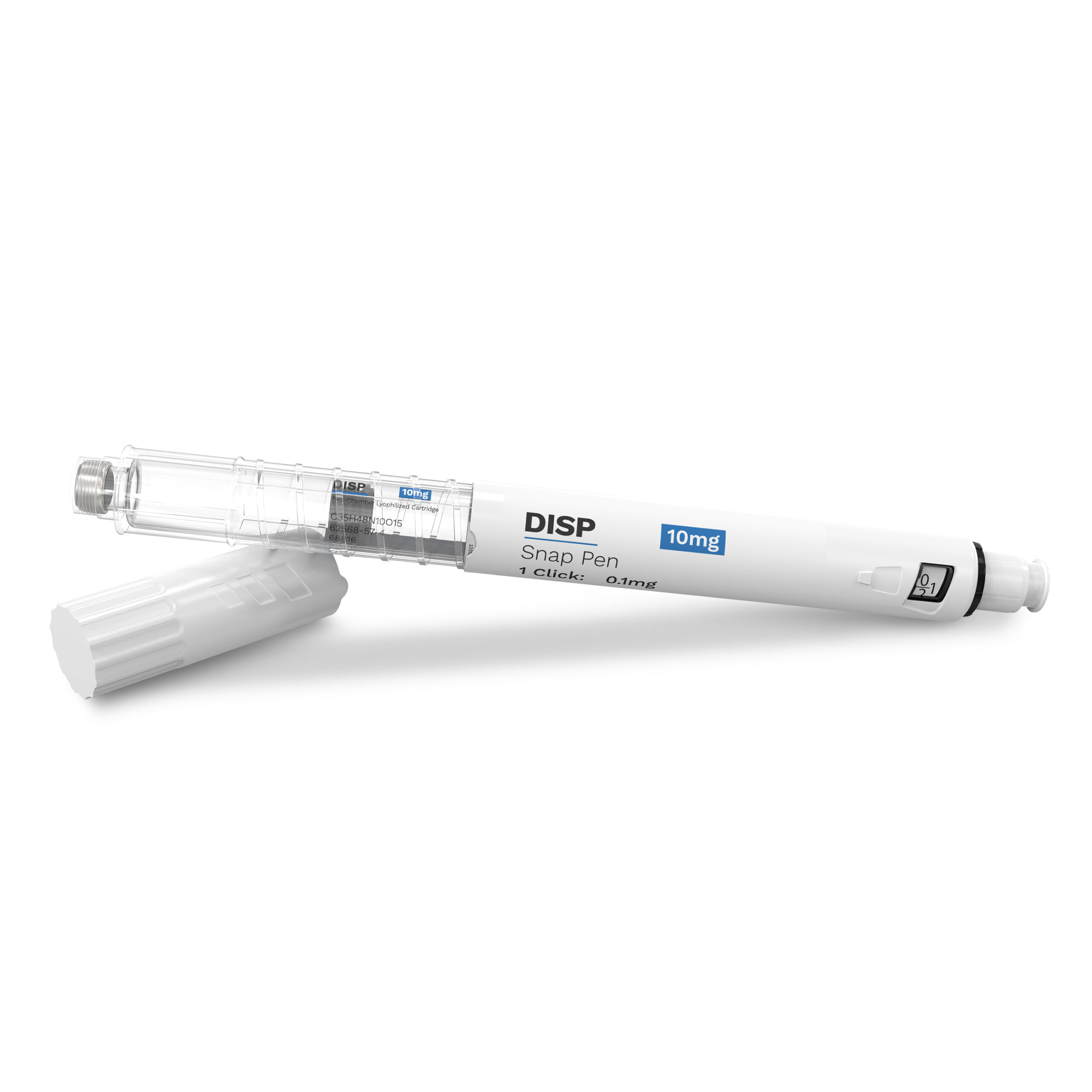
DISP: Delta Inducing Sleep Peptide
Supporting Restorative Sleep, Stress Regulation, and Neuroendocrine Balance
(DISP) is a naturally occurring neuropeptide first identified in the central nervous system and associated with sleep regulation, stress adaptation, and circadian rhythm signalling. DISP has been studied for its role in promoting restorative sleep patterns, modulating stress-related hormones, and supporting neurological balance.
DSIP is found in the brain and peripheral tissues and appears to act as a regulatory signalling molecule involved in sleep–wake cycles, adaptive stress responses, and neuroendocrine communication. Interest in DSIP has grown due to its unique ability to influence deep sleep phases without acting as a traditional sedative or hypnotic compound.
Levels or activity of DIP-related pathways may be altered during periods of chronic stress, sleep disruption, aging, or neurological imbalance.
DSIP functions by interacting with central nervous system signalling pathways that regulate sleep architecture, hormonal rhythms, and stress responses. Rather than forcing sedation, DSIP is believed to support the body’s natural ability to enter and maintain restorative sleep states.
Its primary mechanisms include:
Sleep Regulation – Influences deep sleep (slow-wave sleep) pathways and circadian rhythm alignment
Neuroendocrine Modulation – Associated with regulation of cortisol, ACTH, and stress-related hormonal signalling
Central Nervous System Signaling – Interacts with neurotransmitter and peptide signaling involved in relaxation and recovery
Stress Adaptation – Linked to improved physiological adaptation during periods of mental or physical stress
Restorative Balance – Supports nighttime recovery processes without stimulant or suppressive activity
Research interest in DISP focuses on its potential role in sleep quality, recovery optimization, neurological calm, and stress resilience.
Key Potential Benefits*
- Supports Restorative Sleep – Associated with improved sleep depth and sleep cycle stability rather than sedation.
- Stress Response Regulation – Linked to modulation of stress hormones and adaptive stress pathways
- Neuroendocrine Balance – May support healthy hormonal rhythms related to sleep and recovery
- Mental Calm & Recovery – Referenced in studies exploring relaxation, nervous system balance, and nighttime recovery
- Non-Sedative Sleep Support – Does not act as a hypnotic or depressant in available literature
* as indicated in medical trials.
In stock
Research Sources
- Delta-sleep-inducing peptide (DSIP): a review — Neuroscience & Biobehavioral Reviews
- Clinical sleep study in humans
- Human observational sleep effectsPubMed
- Sleep-wave activity of a DSIP analog & blood-brain barrier interaction
- Neurochemical modulation in rats
- Various physiological functions & adrenergic transmission effects
Technical Information
CAS Number: | 62568-57-4 |
PubChem CID: | 1299794 /6895513 /3754348 /3029331 |
Formula: | C₃H₄₈N₁₀O₁₅ |
Synonyms: | DSIP, Delta Sleep-Inducing Peptide, 62568-57-4, DSIP nonapeptide, Delta-sleep peptide, Human DSIP, Nonapeptide DSIP, DSIP acetate (salt form, if applicable) |